
Santa Fe to Taos via the High Road: A Scenic Drive Through Chimayó
Most visitors drive from Santa Fe to Taos in about an hour and a half on the river road. The High Road is the long way around, and it is worth every extra mile. Instead of the Rio Grande Gorge, you wind through the Sangre de Cristo foothills past adobe churches, apple orchards, weaving studios and mountain villages that have changed very little in centuries.
If you are staying in Santa Fe and want one day that feels like the real northern New Mexico, this is the drive to take. Here is how to plan it, where to stop, and what not to miss, starting with the beloved village of Chimayó.
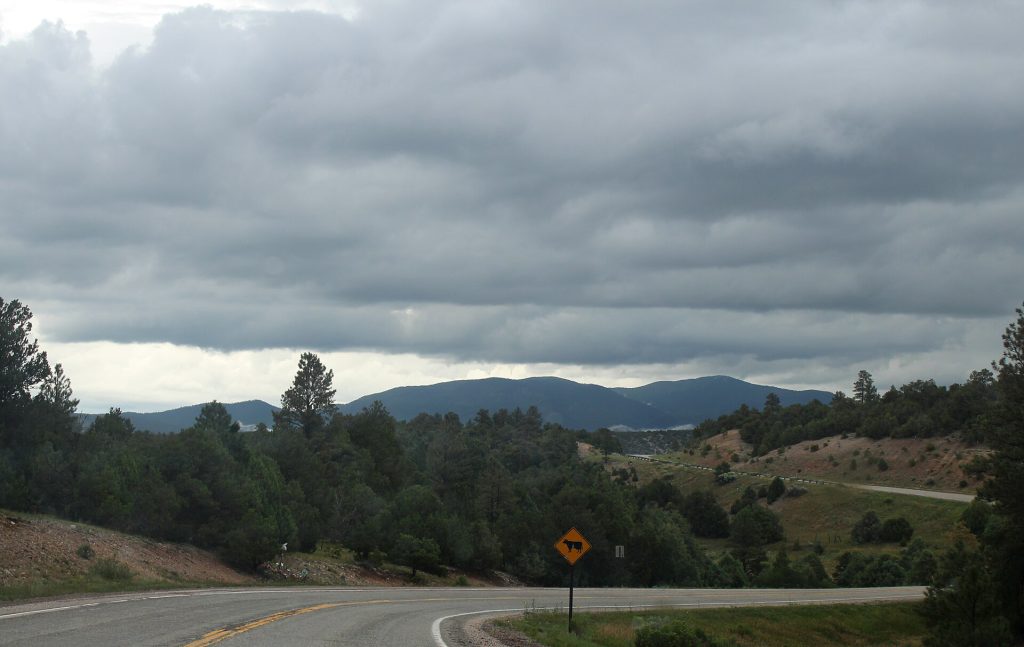
What Is the High Road to Taos?
The High Road to Taos is a scenic route that links Santa Fe and Taos through a string of historic Spanish colonial villages. It follows parts of NM 503, NM 76, NM 75 and NM 518, and covers roughly 85 miles from Santa Fe in total.
Without stopping, expect about 2.5 to 3 hours behind the wheel. With stops, plan on a full day, and give yourself time to linger.
This is the kind of drive where:
- Every village has its own church, gallery or café worth a stop
- The scenery shifts from piñon-dotted foothills to alpine meadows
- Cell service comes and goes, so you slow down and simply look around
The Route at a Glance
- Santa Fe to Pojoaque: head north on US 84/285
- Pojoaque to Chimayó: turn east on NM 503 through the Nambé area
- Chimayó to Truchas: follow NM 76 north and east, passing through Cordova
- Truchas to Peñasco: continue on NM 76, through Las Trampas, then join NM 75
- Peñasco to Taos: take NM 518 north to Ranchos de Taos and Taos itself
Chimayó: The Heart of the High Road
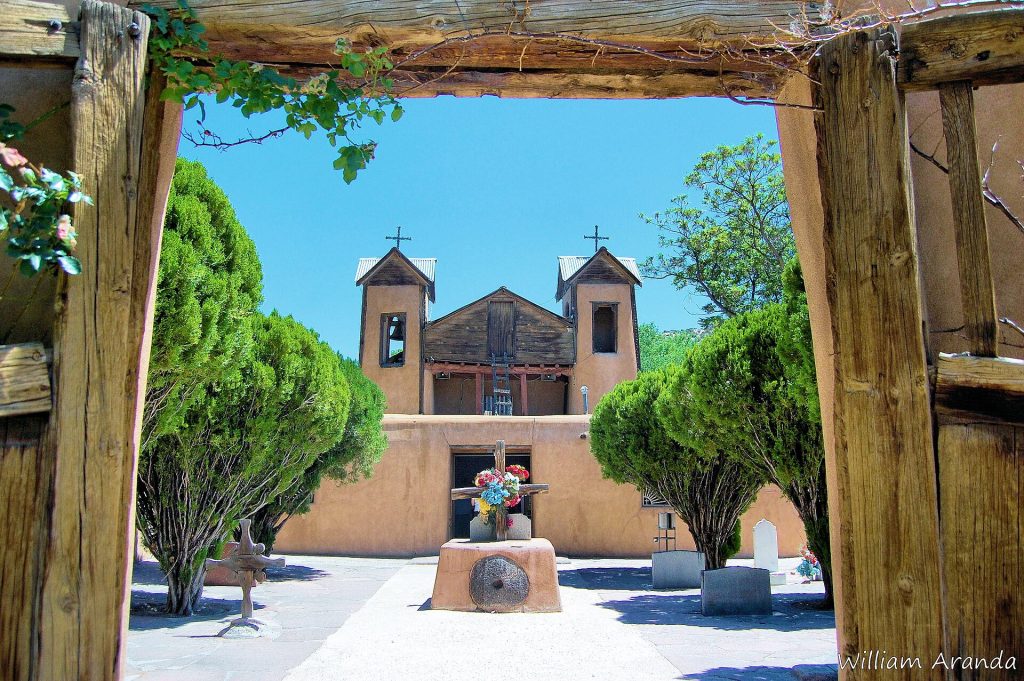
Chimayó is the first real stop on the route and, for many travelers, the highlight. The Santuario de Chimayó, a small adobe church dating to the early 1800s, is one of the most visited pilgrimage sites in the United States. Thousands walk here every year during Holy Week, and many visitors come simply to experience its quiet, candlelit atmosphere.
Inside, a small side room holds el pocito, a pit of sandy earth that many believe has healing properties. Visitors often take a pinch of it home. The grounds also include a peaceful courtyard, a smaller chapel and a wall of crutches and handwritten notes left by those who came seeking healing.
A few tips for visiting the Santuario:
- Dress and behave respectfully, since this is an active place of worship
- Entry is free, and donations are welcome
- Arrive early on weekends and during spring pilgrimage season to avoid crowds
- Check current hours before you go
While you are in Chimayó, leave time for the village itself:
- Chimayó chile: the region is famous for its heirloom red chile, so look for ristras and chile powder to take home
- Weaving: the Chimayó weaving tradition goes back generations, and you can browse studios such as Ortega’s Weaving Shop
- Lunch: classic New Mexican cooking, from sopaipillas to carne adovada, is a Chimayó specialty, and local favorites include Rancho de Chimayó and Leona’s
Cordova and Truchas: Art in the Mountains
North of Chimayó, NM 76 climbs into higher country. Cordova is a tiny village known for a distinctive style of wood carving, and you will often see carved santos (saints) and other handmade pieces for sale at small family studios.
Next comes Truchas, perched at roughly 8,000 feet with sweeping views of the Truchas Peaks. This is where the road feels most like the edge of the world. Truchas is an art village with a handful of galleries, and its sunsets over the Rio Grande valley are hard to beat. Movie fans may recognize it from The Milagro Beanfield War.
Las Trampas and Picuris Pueblo
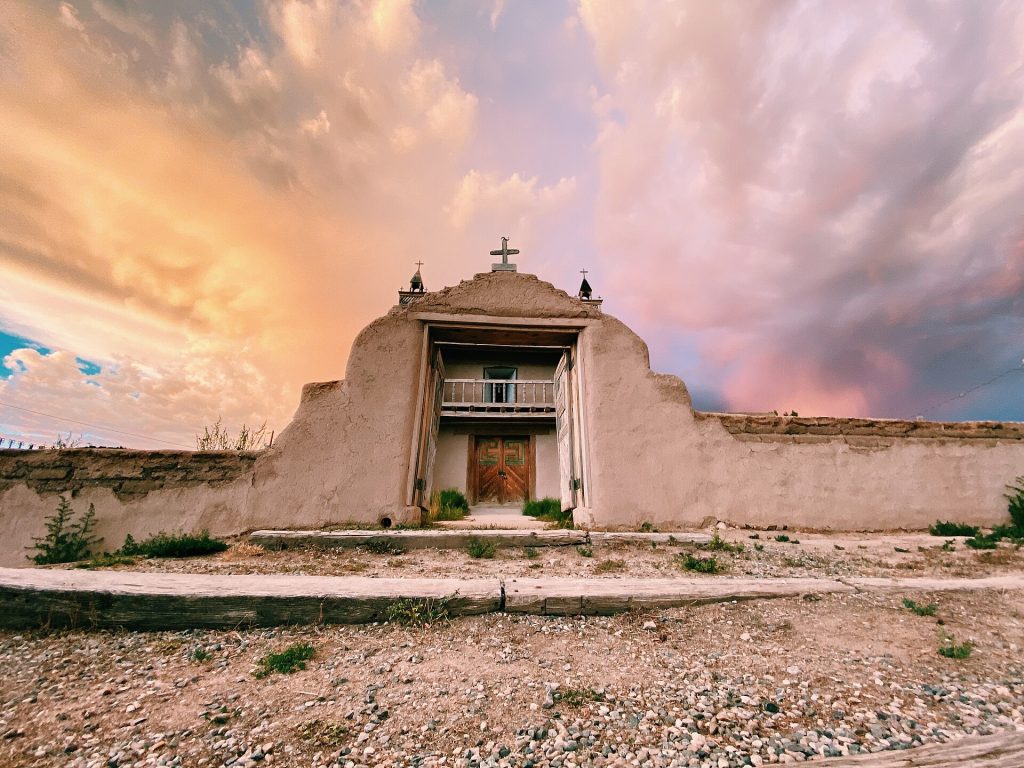
Las Trampas was settled in the 1750s, and its San José de Gracia Church, completed in the 1770s, is considered one of the best-preserved Spanish colonial churches in New Mexico. It is a National Historic Landmark. The church is open to visitors on a limited basis, so check ahead if you want to see the interior.
Farther along, a short detour leads to Picuris Pueblo, one of the smallest and most historic pueblos in New Mexico. Visitor policies change, so check with the pueblo before you go and respect any rules about photography and access.
Ranchos de Taos: The Finish Line
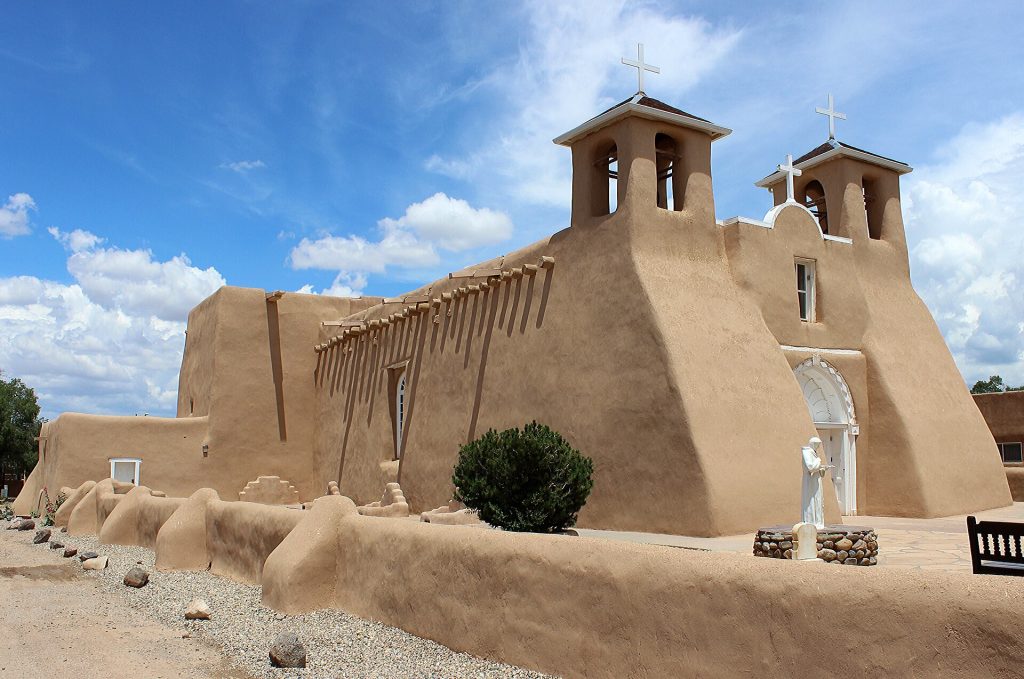
Just before you reach Taos, the road delivers one more treasure. The San Francisco de Asís Mission Church in Ranchos de Taos is one of the most photographed and painted churches in America. Its sculptural adobe buttresses have drawn artists for generations, including Georgia O’Keeffe and Ansel Adams.
From here, Taos Plaza, the Taos Pueblo and the galleries of Taos are only a few minutes away. Plan an early dinner in town before you head home, or stay overnight and make a weekend of it.
The Best Time to Drive the High Road
Fall (late September to mid-October) is the showstopper, when aspens turn gold and orchards and chile ristras add color to every village. Spring and early summer bring green valleys and fewer crowds, though Holy Week traffic around Chimayó can be heavy. In winter, the road can be icy and snowy at higher elevations, so check conditions before you set out. For more seasonal advice, see our guide to the best time of year to visit Santa Fe.
High Road Tips
- Start early, ideally by 8:30 or 9:00 a.m., so you have daylight for every stop
- Fill your gas tank before you leave Santa Fe, because services are limited in the mountain villages
- Download offline maps, since cell coverage is spotty
- Check hours for churches, galleries and restaurants, as many keep seasonal or limited schedules
- Make it a loop: drive the High Road to Taos, then return on the Low Road (NM 68) along the Rio Grande Gorge
- Bring cash for small studios, roadside stands and church donations
Planning More Santa Fe Adventures
The High Road is only one of many ways to explore the area. If you are building a longer itinerary, our Santa Fe bucket list is full of ideas for your other days, from the Plaza and Canyon Road to hot springs, hikes and local flavors.
Where to Stay in Santa Fe
The High Road makes a perfect day trip from Santa Fe, and nothing beats returning to a comfortable home base afterward. At Two Casitas, each home is thoughtfully curated to blend luxury with authenticity. Picture a private courtyard, a warm fire and a glass of wine after a day of adobe churches and mountain views.
Your journey does not end when the drive does. It simply becomes something even more memorable.
Check out our Santa Fe Vacation Rentals, your premier choice for vacation rentals in Santa Fe, New Mexico.